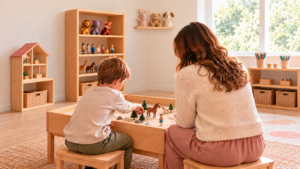
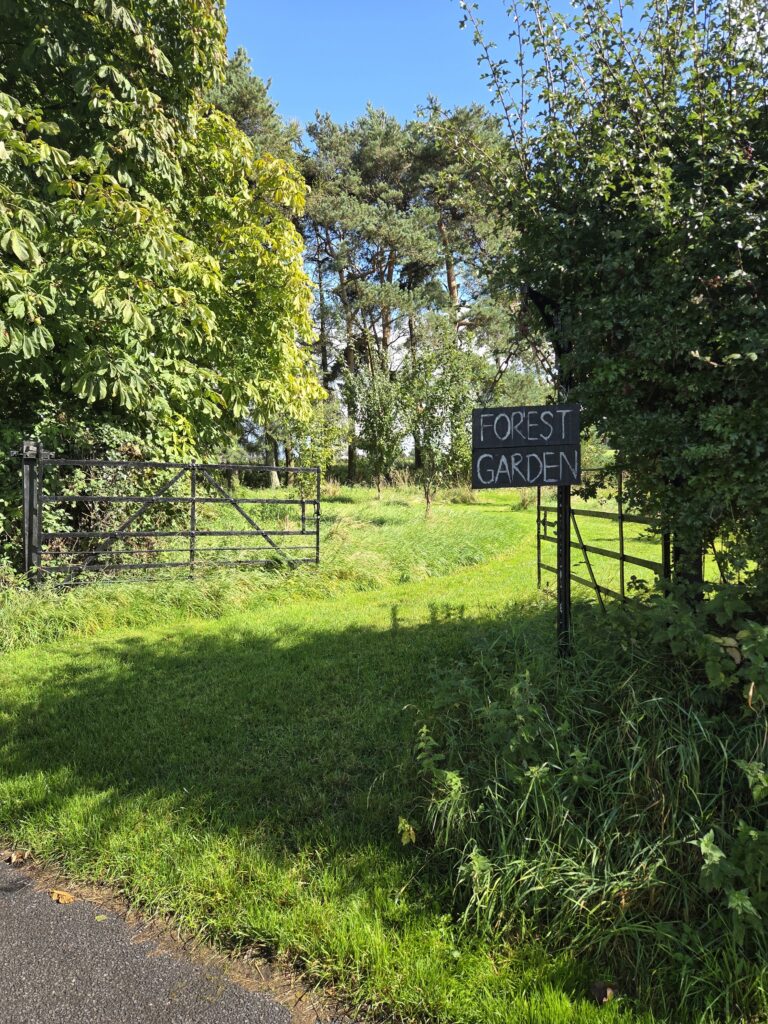

Play Therapy does not always have to remain within four walls. At Heartlight Play Therapy, children have access to a dedicated upstairs playroom at Soearth Projects in Kill, as well as gardens, open space and the Forest Garden. When it suits the child, nature can become part of the therapeutic experience.
The child still leads
Outdoor work is never forced. Some children feel most comfortable in the playroom, while others may choose movement, sensory exploration or time outside. The child’s preferences, communication and need for predictability guide how the grounds are used.
This flexibility can be particularly valuable for neurodivergent children. An autistic or ADHD child may find it easier to connect while walking, moving, looking at plants or noticing animals than while sitting face-to-face. Natural spaces also offer different sensory experiences and more room for the body to move.
How nature may be included in Play Therapy
When appropriate, nature-based Play Therapy and mindfulness can include walking through the garden, noticing seasonal changes, collecting natural materials, imaginative play outdoors, listening for sounds or simply pausing to notice what is happening in the body.
There is no demand to be quiet, sit still or complete a formal mindfulness exercise. Mindfulness in nature can be as simple as noticing the wind, touching tree bark, watching an animal or finding one colour in the garden.
The transition after a Play Therapy session
A Play Therapy session can involve deep emotional work, even when it looks like ordinary play from the outside. Moving immediately from therapy into a car, a busy afternoon or a return to school can sometimes feel abrupt.
For this reason, Niamh often suggests that parents spend a few minutes with their child on the grounds after a session. They might walk through the garden, look at the cows, notice the flowers or follow a familiar path together. This gentle pause can support grounding and make the transition from therapy into the rest of the day feel less sudden.
Five minutes can be enough
The walk does not need to be long or become another task for the family to complete. Even five minutes can create a regular moment of connection between parent and child. The value is in the quality and predictability of the time, not its length.
Over time, this small ritual can become part of the child’s weekly Play Therapy rhythm: the session, the reunion with their parent, a short walk in nature and then the journey back to school or home. It gives the parent and child a shared experience without requiring the child to explain what happened during therapy.
Nature, regulation and connection
Nature can be a powerful source of regulation. The sights, sounds, movement and changing seasons invite children and adults to slow down and reconnect with their senses. For some families, the short walk after Play Therapy becomes as meaningful as the journey to the appointment itself.
Nature-based Play Therapy at Soearth Projects
Heartlight Play Therapy is based at Soearth Projects in Kill, Co. Kildare, welcoming families from Naas, Newbridge and surrounding areas. You can see the Play Therapy room and grounds, learn more about neuroaffirming practice, or contact Niamh with an enquiry.